Upgrade Your Backyard: Modern Deck Designs From Experienced Deck Specialists
Creative deck concepts can considerably enhance a backyard's aesthetic and practicality. Experienced builders recognize the importance of combining aesthetics with function. Through material selection and feature integration, every detail matters. Households are steadily drawn to building environments suited for leisure and social gatherings. As homeowners evaluate their choices, the scope of enhancement becomes clear, motivating further exploration into how to create their ideal outdoor retreat.
Selecting the Best Materials for Your Ideal Deck
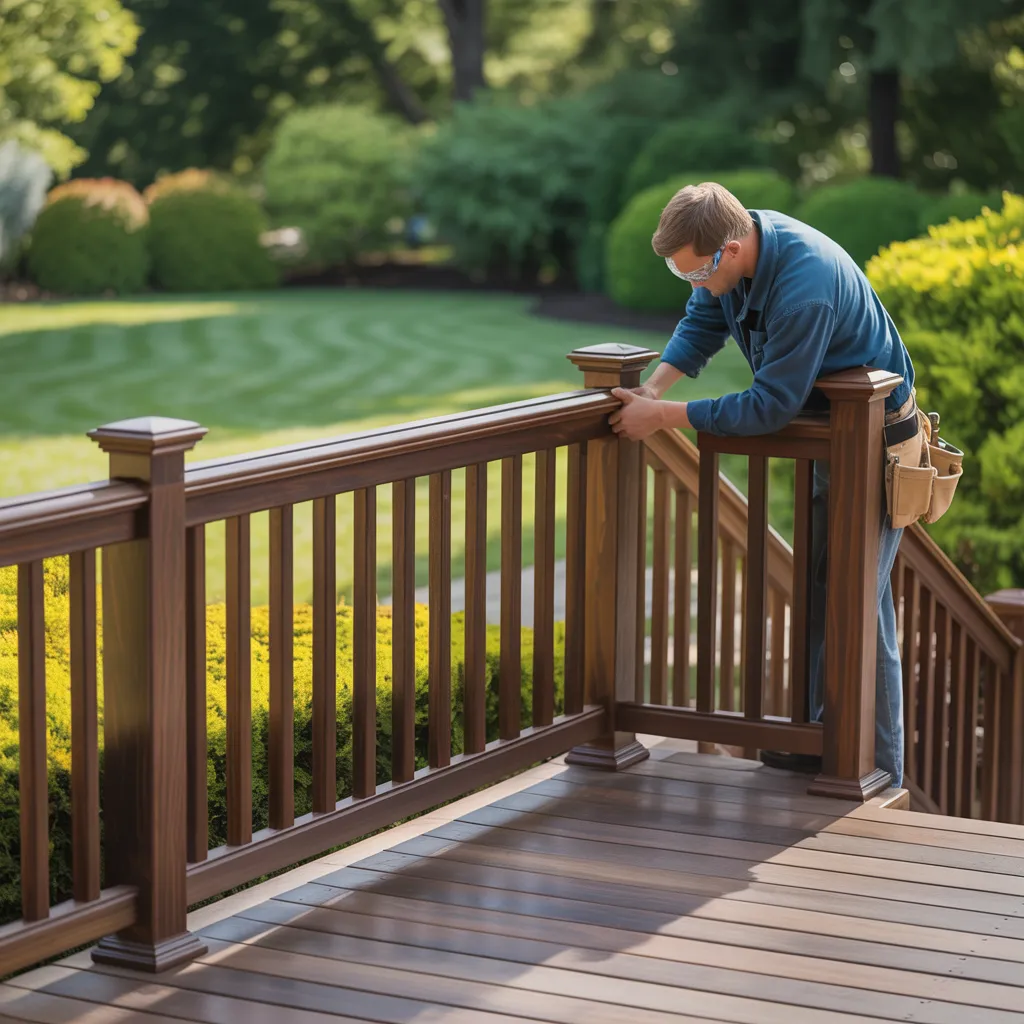
When selecting materials for a perfect deck, homeowners often evaluate both visual appeal and strength. The choice of materials heavily affects the general aesthetic and longevity of the deck. Wood, particularly cedar and redwood varieties, provides a timeless charm with organic elegance but needs routine care to protect against decay and environmental damage. Composite materials, on the other hand, offer a modern alternative, blending wood fibers with plastic for a minimal-upkeep solution that withstands discoloration and splitting.
Aluminum and PVC are also becoming popular due to their longevity and resistance to the elements, making them a perfect choice for homeowners who want low maintenance. Color and texture play an essential role in visual appeal, since homeowners seek to establish a harmonious appearance that suits their outdoor living space. In the end, choosing the appropriate materials requires finding a balance between personal taste and practicality, ensuring a deck that is not only beautiful but also enduring.
How to Select a Modern Deck Style That Inspires
Choosing a contemporary deck style demands thoughtful evaluation of space requirements, material options, and current design trends. By evaluating the existing space, homeowners can determine the ideal design and features to improve usability. Considering different materials and keeping up with evolving trends ensures the deck not only enhances the home but also inspires creativity and enjoyment.
Evaluate Your Space Needs
To design a contemporary deck that genuinely captivates, it's important to first examine the area available. Homeowners are encouraged to start by gauging the size of their backyard, making note of potential challenges like trees, inclines, or current structures. This assessment helps in determining the scale of the deck, ensuring it complements the environment without overwhelming it. Furthermore, thinking about the planned purpose of the deck—whether for entertaining, relaxation, or gardening—will impact its structure and configuration. Knowing how sun exposure and shading affect the space is also critical; this influences the selection of placement and the general atmosphere. At its core, a detailed analysis of spatial considerations sets the stage for a purposeful and beautiful contemporary deck.
Investigate Material Possibilities
As they evaluate their material choices, homeowners can significantly impact the overall aesthetic and durability of their new deck design. Selecting the right materials is vital for achieving both a stylish appearance and long-lasting performance. Popular choices include composite decking, which merges natural wood fibers and recycled plastics for a hassle-free alternative that holds up against decay and discoloration. Natural wood, including cedar or redwood, offers timeless beauty but needs routine care to avoid weather damage. Additionally, aluminum decking offers a polished, modern aesthetic and is exceptionally durable against corrosion. Homeowners should also explore environmentally conscious alternatives, such as reclaimed wood or sustainably sourced materials, to elevate their deck's attractiveness while lowering their environmental impact. At the end of the day, the selection of materials sets the foundation for an inviting outdoor space.
Think About Design Trends
Selecting the appropriate materials establishes the foundation for discovering the newest design movements in contemporary decks. Design professionals prioritize clean lines and minimalist styles, often incorporating natural elements like wood and stone. Open-concept configurations stay in high demand, effortlessly merging interior and exterior areas. Tiered decks create separate functional zones, encouraging adaptability and practical use. Moreover, the integration of inventive lighting designs improves the evening mood, while sustainable materials reflect an increasing focus on eco-friendliness. Color schemes have transitioned toward natural earth tones and soft pastels, cultivating a peaceful and relaxing ambiance. Adopting advanced technology, like automated illumination and climate-resistant features, continues to grow in popularity. By incorporating these innovations, homeowners can build stunning outdoor environments that enhance their backyard experience.
Space-Efficient Deck Design Ideas for Small Backyards
In what ways can homeowners optimize their outdoor living space within a compact backyard? Thoughtful deck layouts can turn confined areas into versatile outdoor havens. One effective approach is to utilize multi-level decks, explore which can create distinct zones for relaxation and dining without overwhelming the space. Incorporating built-in seating along the perimeter can provide additional functionality while saving square footage.
Another idea is to opt for a corner deck, which takes advantage of often-overlooked areas and can boost privacy. Foldable or collapsible furniture can also be a game-changer, enabling homeowners to adjust their outdoor area as needed.
Lastly, think about incorporating upward-reaching features, including hanging lights or wall planters, to draw the eye upward, creating an illusion of more space. By implementing these space-saving strategies, homeowners will benefit from an elegant and well-utilized outdoor space without feeling cramped.
Incorporate Built-In Features That Boost Your Deck's Functionality
Boosting deck versatility can be achieved through the addition of integrated features that serve various needs. Integrated seating is a favored choice, providing relaxation and maximizing space without the need for additional furniture. In addition, incorporated storage solutions, such as storage benches with concealed spaces, can assist in keeping the deck neat and free of clutter.
Another functional enhancement is the addition of a built-in outdoor kitchen or grill, which converts the deck into a culinary hub, great for outdoor gatherings. Furthermore, adding planters or vertical garden features not only enhances visual appeal but also fosters a sense of connection with the natural environment.
These attributes not only boost usability but also develop a cohesive design that blends seamlessly with the overall landscape. By strategically embedding these built-in features, homeowners can design a deck that functions as a flexible expansion of their living area, customized to their lifestyle and tastes.
How to Illuminate Your Deck With Accessories
Incorporating outdoor lighting elements can elevate a deck into a delightful after-dark haven. Creative light selections, complemented by useful enhancements, improve both safety and ambiance. By examining various designs and arrangements, residents can achieve a wonderfully brightened exterior area.
Innovative Lighting Choices
A selection of unique lighting choices can transform a backyard patio into a charming outdoor retreat. Strand lights, strung elegantly above, establish a warm, welcoming setting, well-suited for evening gatherings. Solar-powered lights, positioned thoughtfully around the edges, add a subtle glow while supporting eco-friendliness. For a sleek aesthetic, integrated lighting can be set into steps or under handrails, increasing safety while maintaining elegance. Moreover, decorative lighting showcases design elements or foliage, generating aesthetic charm. LED ribbon lights lining the borders of the deck deliver a sleek appearance, while freestanding fire pits fill the area with a warm glow. As a whole, these alternatives allow homeowners to customize their deck's lighting, establishing a calming space for rest and recreation.
Useful Accessory Suggestions
Thoughtful lighting selections elevate the aesthetic of a backyard deck, but functional accessories can further elevate its usability and charm. Integrating multi-functional furniture, such as benches with built-in storage, optimizes space while providing both comfort and storage solutions. Weather-resistant cushions and throws can add comfort, keeping the deck welcoming and appealing. Additionally, incorporating accent tables featuring built-in coolers provides convenient access to beverages at social events. A well-placed outdoor rug can define areas, fostering a comfortable and inviting setting. For those who enjoy outdoor cooking, a compact grill or exterior kitchen station can turn the deck into an outdoor dining destination. Such features not only boost practicality but also contribute to a stylish and cohesive outdoor living space.
Safety and Ambiance Tips
Effective lighting is essential for enhancing both safety and ambiance on a backyard deck. Strategic placement of lights can illuminate walkways, stairs, and lounging spaces, lowering the likelihood of incidents during after-dark entertaining. Contractors suggest installing energy-saving LED fixtures for durability and reduced power consumption. Decorative lighting, like string lights or lanterns, establishes a cozy ambiance, ideal for relaxation and entertaining. Adding task-specific lighting near cooking or eating zones ensures usability and security during late-night cooking sessions. Additionally, integrating smart lighting systems allows homeowners to adjust brightness and color, greatly improving the deck's overall decorative impact. By combining safety features with decorative elements, a well-lit deck transforms into a welcoming outdoor space.
Incorporating Greenery Into Your Deck Design
Although many homeowners prioritize the design and materials of their outdoor decks, incorporating plants can turn an outdoor area into a lively sanctuary. Expert builders recommend incorporating a variety of plants to elevate the visual appeal and foster a feeling of calm. Built-in planter boxes, vertical gardens, and hanging planters can optimize space while introducing depth of texture and color.
Aside from visual appeal, plants can offer natural shade while enhancing air quality. Choosing native species that flourish in the surrounding climate guarantees sustainability and reduces maintenance. For a more cohesive look, property owners can select pots and planters that complement the deck's design.
Strategically placing greenery around lounge areas not only enhances comfort but also fosters a bond with the natural world. Through the deliberate addition of plants into deck designs, homeowners can create an inviting atmosphere that encourages relaxation and outdoor enjoyment.

Popular Questions We Receive
How Do I Care for My Deck Following Installation?
To keep a deck in good condition after installation, routine cleaning is necessary. Applying a sealant each year guards against moisture and ultraviolet damage. Checking for loose boards or nails promotes a safe environment, while quickly handling necessary repairs extends the deck's lifespan.
What Permits Are Required for Deck Construction?
Deck construction typically requires official building permits, that vary from one location to another. Homeowners should consult their local building departments to understand the particular requirements, including zoning regulations, structural codes, and any necessary inspections to confirm compliance with all applicable safety codes.
Is It Possible to Build a Deck on a Sloped Yard?
Certainly, constructing a deck on a slanted lot is possible. That said, it demands meticulous consideration, appropriate design, and possibly supplemental supports to guarantee stability and safety, along with meeting local construction codes.
What Is the Typical Longevity of a Deck?
Most decks last 10 to 30 years on average, based on materials used, maintenance, and environmental factors. Regular upkeep, like sealing and applying stain, can considerably prolong a deck's lifespan and overall durability.
What Are the Expenses Involved in Deck Installation?
Deck installation pricing can differ significantly, generally falling between $15 and $35 per square foot. Variables that impact the overall price include labor, materials, location, and design complexity, all of which can considerably influence the final project cost.